A $60,000 Catalyst for Change
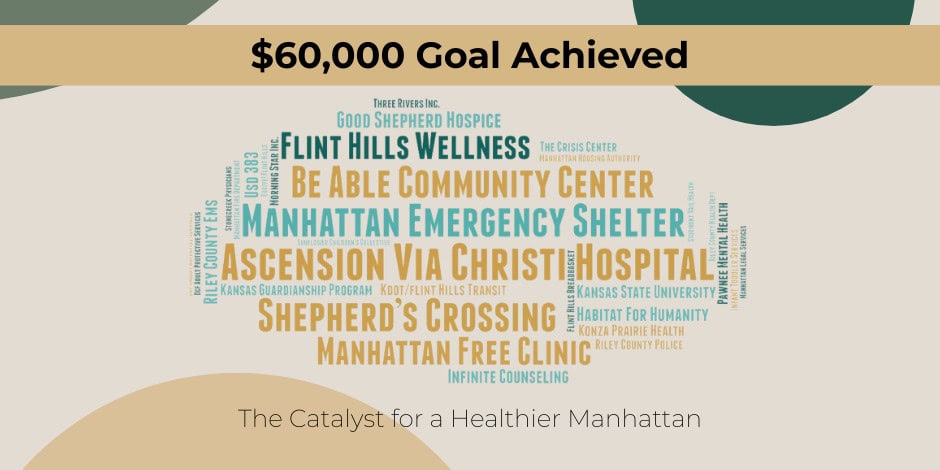
On February 21, 2026, the Manhattan community came together at the K-State Alumni Center to serve as a catalyst for community health. Because of your strategic support and generosity, we are proud to announce that we reached our $60,000 investment goal.
Watch the Impact in Motion
The video above illustrates how your investment in “the glue” protects our most vulnerable neighbors and transforms the landscape of healthcare delivery in Manhattan.
The Progress Milestone: 100% Funded
This milestone secures three years of coordination for the Flint Hills Community Care Team (FHCCT). By identifying the Coordinator position as a critical “investment gap,” the Manhattan Community Health Foundation (MCHF) acted as the financial engine to ensure this innovative program has the resources it needs to thrive.
- Goal: $60,000
- Status: 100% Funded
- Impact: Fully supports the FHCCT Coordinator position for the next three years.
“The expressions of support from those who attended the Gala was affirmation that the work being done by the agencies involved with the Community Care Team makes a significant difference in lives of many who struggle in our community. This support over the next three years ensures that we can help even more people in need.”
Debbie Nuss, Community Care Team Chair
The Catalyst Model: Funders vs. Providers
At MCHF, we see the entire health and wellness landscape in Manhattan. Our role is to be the catalyst that provides the financial capability for vital programs to exist.
| Manhattan Community Health Foundation | FHCCT Partner Agencies |
| The Funder: We provide the strategic financial investment. | The Providers: They provide the direct care and administration. |
| The Catalyst: We identify gaps and build partnerships to ensure a healthier Manhattan. | The Deliverers: They work on the front lines to prevent neighbors from falling through the cracks. |
Securing “The Glue”
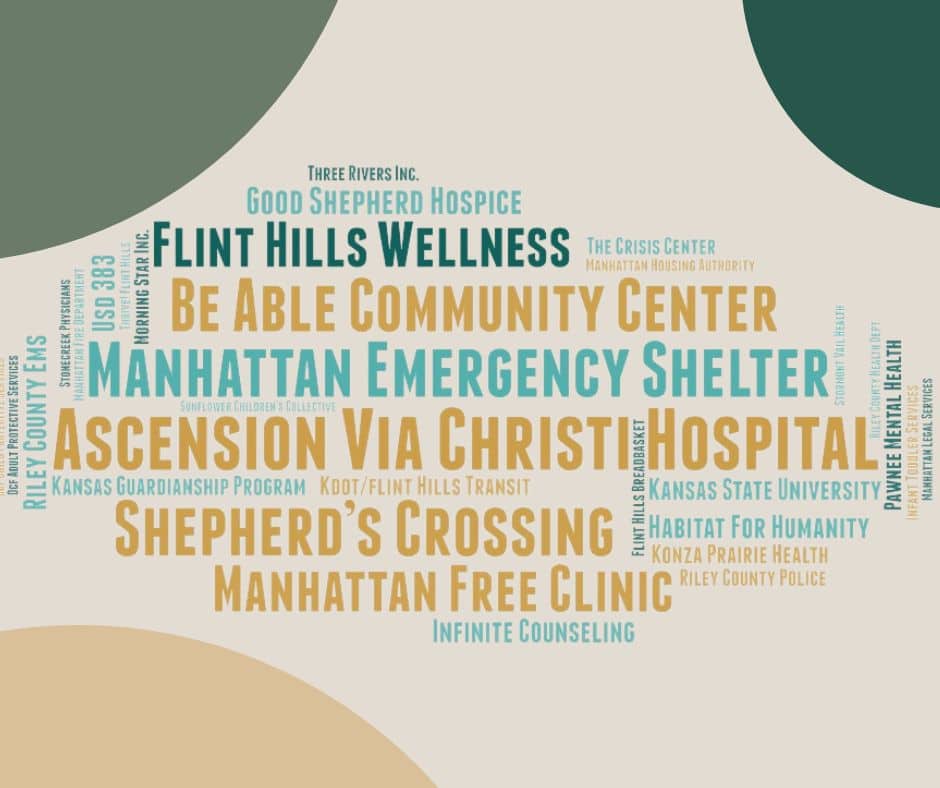
The FHCCT Coordinator serves as the essential “glue” between 30 local partner agencies. This role ensures that high-risk patients receive coordinated, holistic care, allowing these diverse organizations to work as one efficient unit.